Energy-constrained RF
Always-on receivers, low-power sensing, and circuits that extract useful information before the energy budget disappears.
- Wake-up receivers
- Low-power sensing
- Signal detection
RF circuits, architectures, and electromagnetic systems
We investigate new circuit and system architectures spanning ultra-low-power sensing, resilient RF, millimeter-wave electronics, heterogeneous integration, and unconventional apertures.
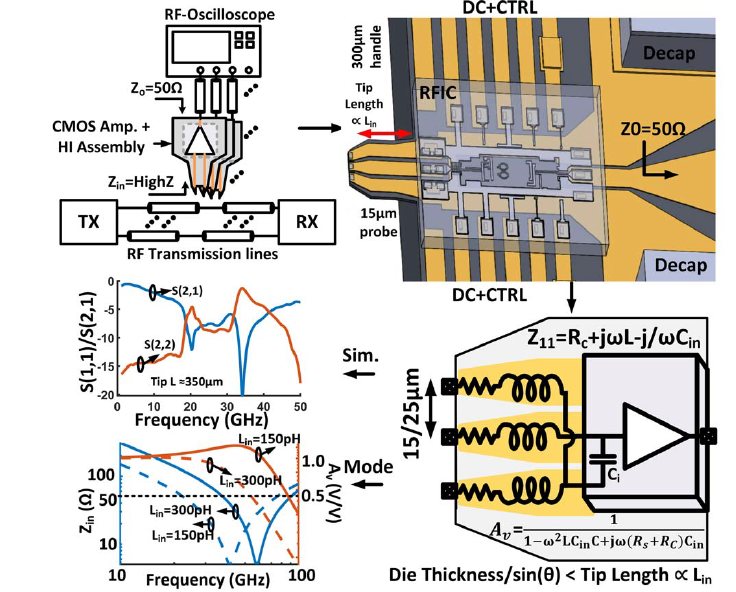
01 / Research
We develop new architectures and analytical understanding, then use integrated circuits and experiments to test the ideas.
Always-on receivers, low-power sensing, and circuits that extract useful information before the energy budget disappears.
RF and microwave circuits designed for interference, radiation, extreme environments, and the other realities hidden by clean simulations.
Power generation, frequency synthesis, and compact front ends spanning microwave through millimeter-wave and sub-terahertz frequencies.
Circuits, devices, packaging, and interfaces developed together to combine technologies that do not belong on a single die.
02 / Selected results
Representative peer-reviewed results connecting broader questions to measured circuits, systems, and experimental methods.
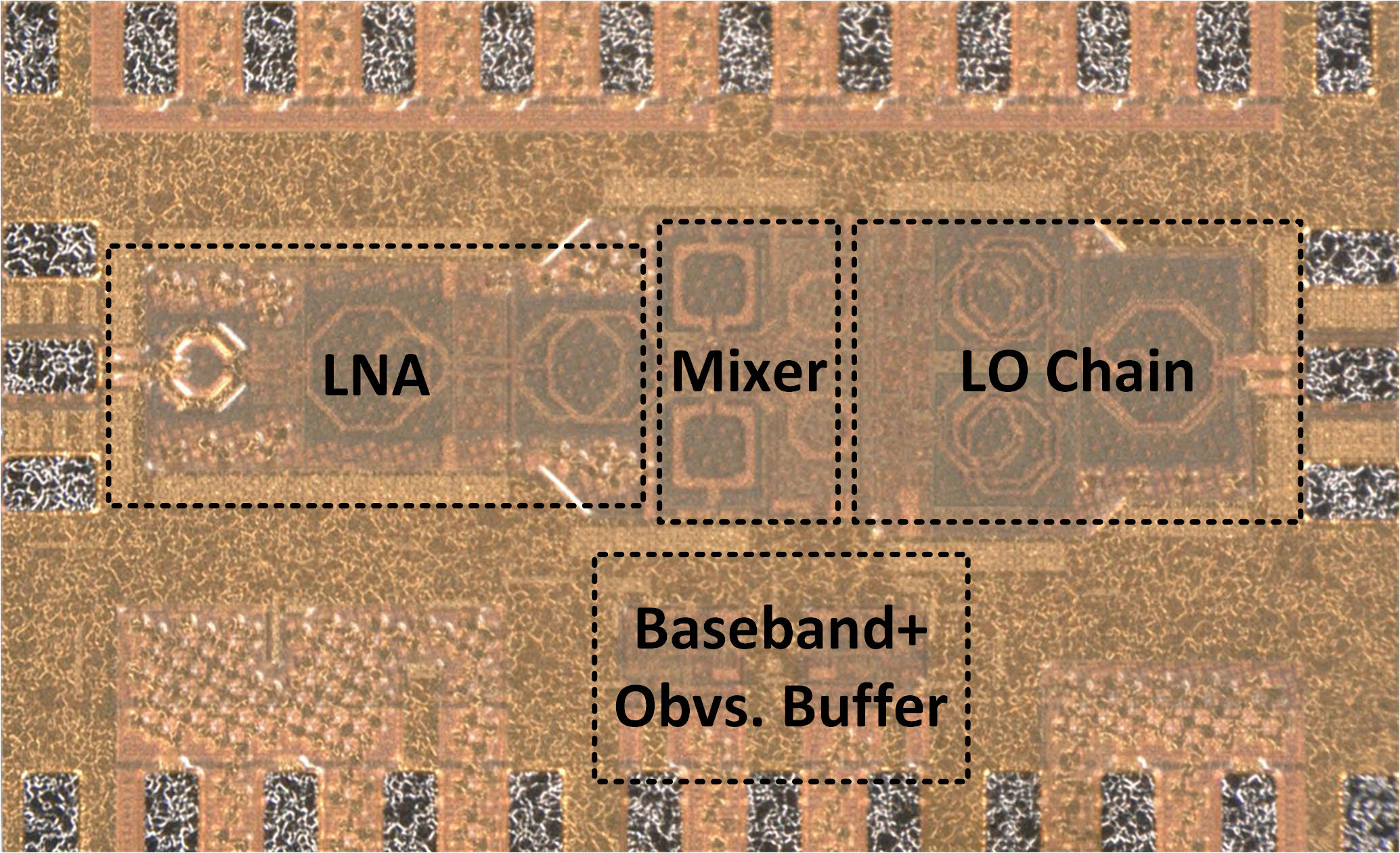
Millimeter-wave systems · Integrated circuits
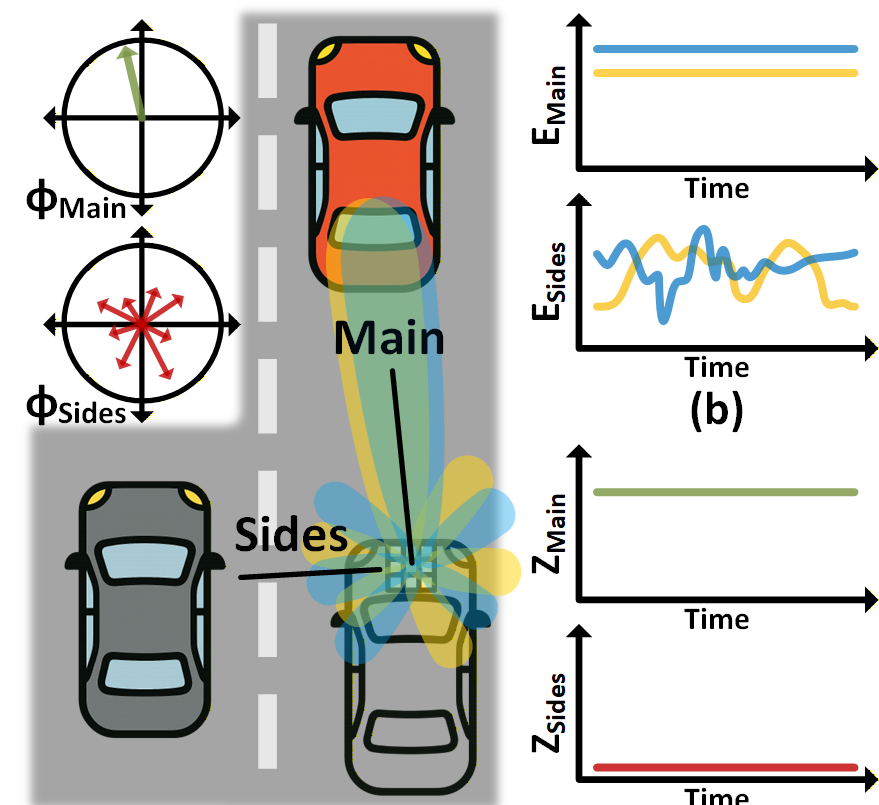
Electromagnetic systems · Resilient sensing
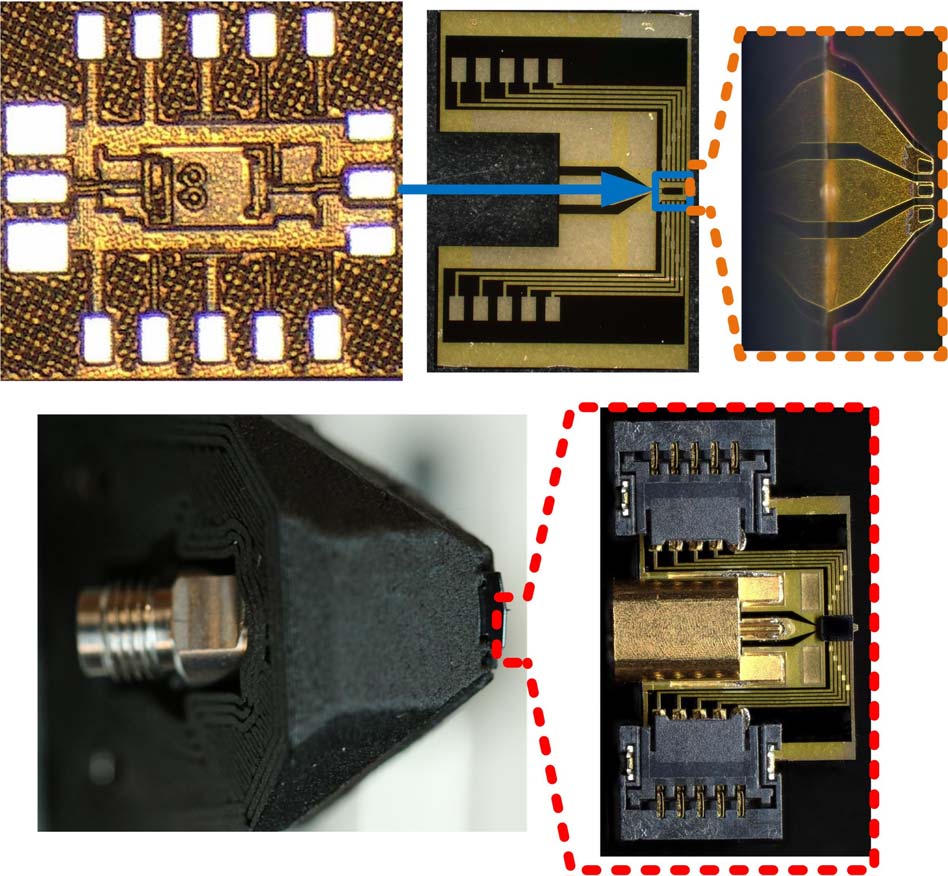
Heterogeneous integration · Measurement science
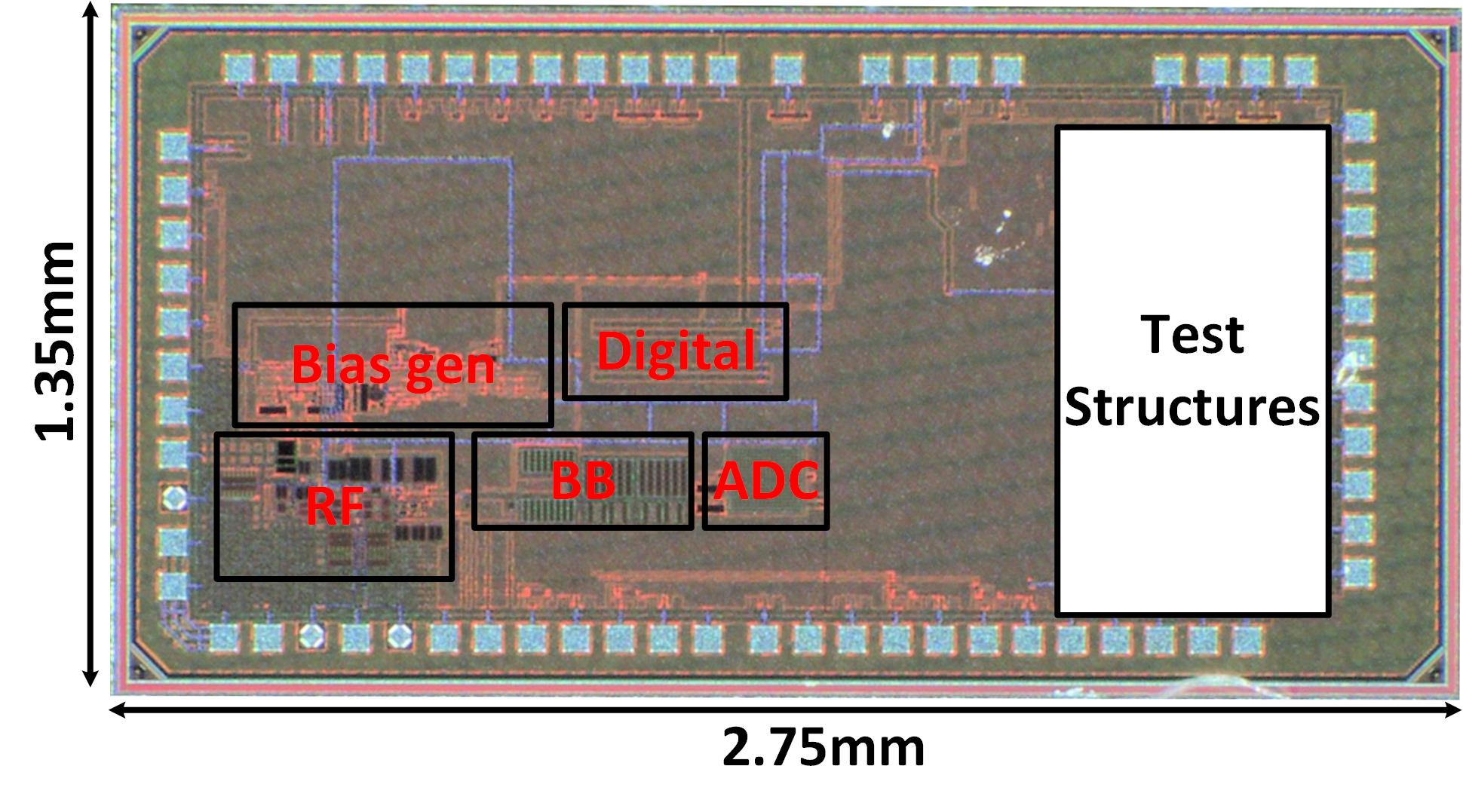
Energy-constrained RF · Resilient sensing
03 / People
Students learn to formulate questions, develop circuits and architectures, and evaluate them through analysis, simulation, and experiment.

Join the lab
We are interested in students who want to ask original questions, develop deep technical skills, and carry ambitious ideas from first principles through convincing validation.
Contact Professor Moody